FREQUENTLY ASKED QUESTIONS
Where can I buy footbag fill?
Right here. Stainless steel beads in 1mm, 1.6mm and 2mm, stainless discs, rubber crumb and plastic pellets — the same fills pro stitchers use. A 0.5kg pack of steel fills 7-8 footbags, and it is also what you want for refilling an old bag.
What's the best fill for a freestyle footbag?
Stainless steel, blended with rubber crumb or plastic pellets. 2mm beads are the default and the most forgiving; smaller steel feels less gritty and runs quieter but demands tighter stitching. The blend is how you hit a playing weight and a loose fill at the same time. Full breakdown at /how-to-make-a-footbag.
What fabric is best for making footbags?
A non-woven synthetic — the cut edge has no threads to unravel, which woven fabric does. Ultrasuede LX is the current standard now that Ultrasuede LT has been discontinued. Lamous TH and Shammy 707J are thinner and softer, and we also carry a Korean faux suede. Which one to pick, and why, at /how-to-make-a-footbag.
Can I make my own footbag?
Yes, and a kit is the easiest and cheapest way in. The panels come precut with the stitch holes laser-cut in, so the spacing is right while you learn it, and you buy exactly one bag's worth instead of a square foot of fabric and half a kilo of steel. Start with a 14-panel — it stitches in about half the time of a 32. Tutorials, and every decision explained, at /how-to-make-a-footbag.
What's the difference between a freestyle footbag and a cheap one?
Mass-produced footbags use cheap vinyl or canvas with sand or plastic fill — they lose their shape fast, split at the seams, and feel dead on your foot. A real freestyle footbag is made with Ultrasuede (the best fabric for freestyle) and stainless steel fill (the best fill material), with precision-cut panels stitched by someone who actually plays. The difference is night and day — the bag holds its shape, responds to your foot, and lasts. Most cheap bags are also technically "handmade" — just by people earning a couple dollars an hour who have never kicked a footbag. Our bags are stitched by freestyle players who compete and know exactly how a bag should feel.
How do I wash my footbag?
Hand wash with warm water and a mild hand soap. Gently squeeze and roll the bag between your hands — don't scrub the fabric. Rinse until the water runs clear, squeeze out the excess (don't wring it), pat dry with a paper towel, then reshape and leave it on the counter overnight to air dry. Avoid machine washing, hot water, and direct heat like dryers or radiators. Don't kick a wet footbag — wet seams stretch and weaken. Regular washing also extends the life of your bag — embedded dirt and grit act like sandpaper against the fabric fibers every time you play, gradually wearing them down.
What's the difference between a footbag and a hacky sack?
Hacky Sack is a brand name that became generic — like Kleenex for tissues. Footbag is the official name for the sport and the ball. A quality freestyle footbag is a completely different experience from the mass-produced sand-filled bags most people have tried.
Where can I buy a good hacky sack?
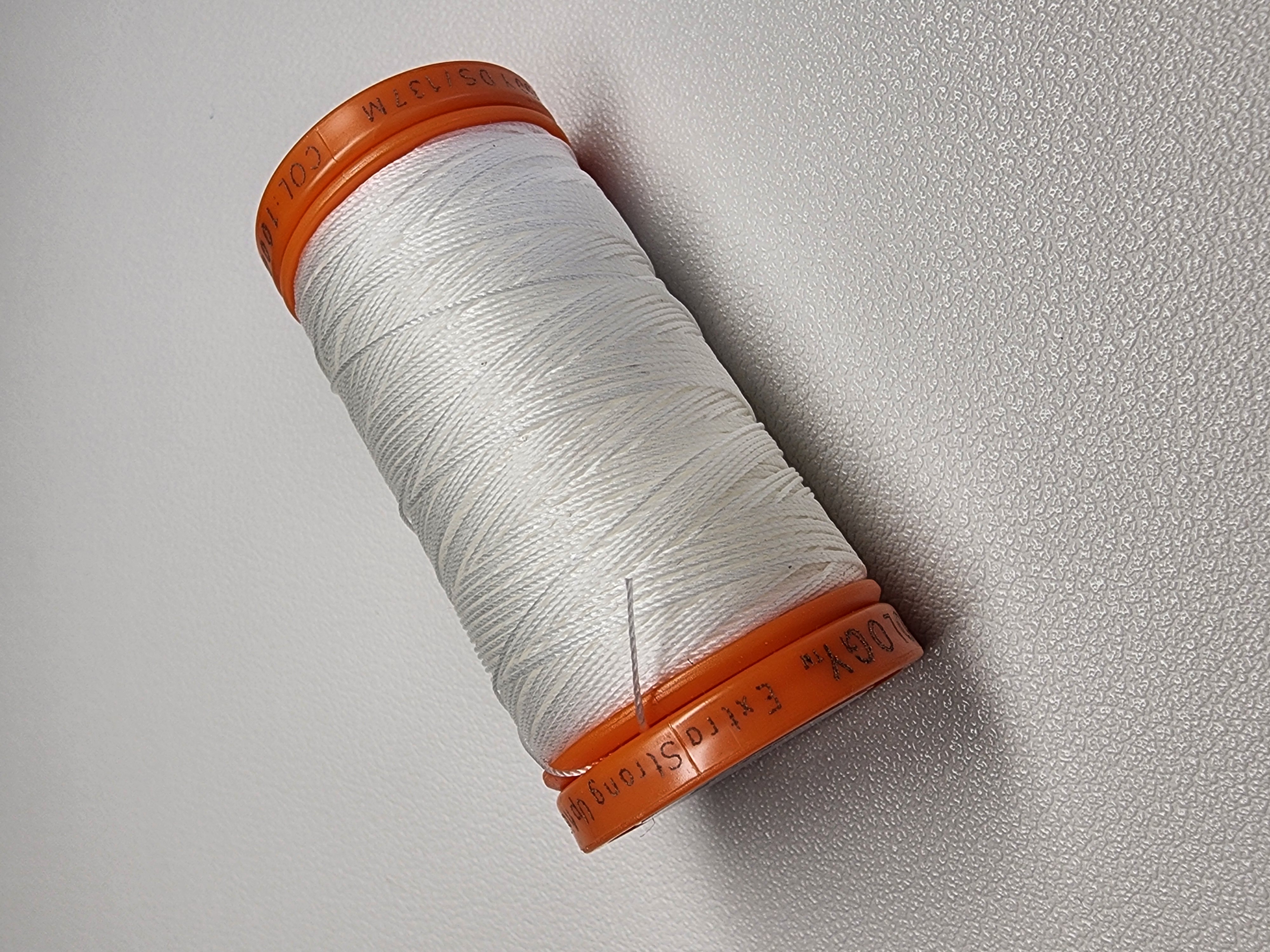
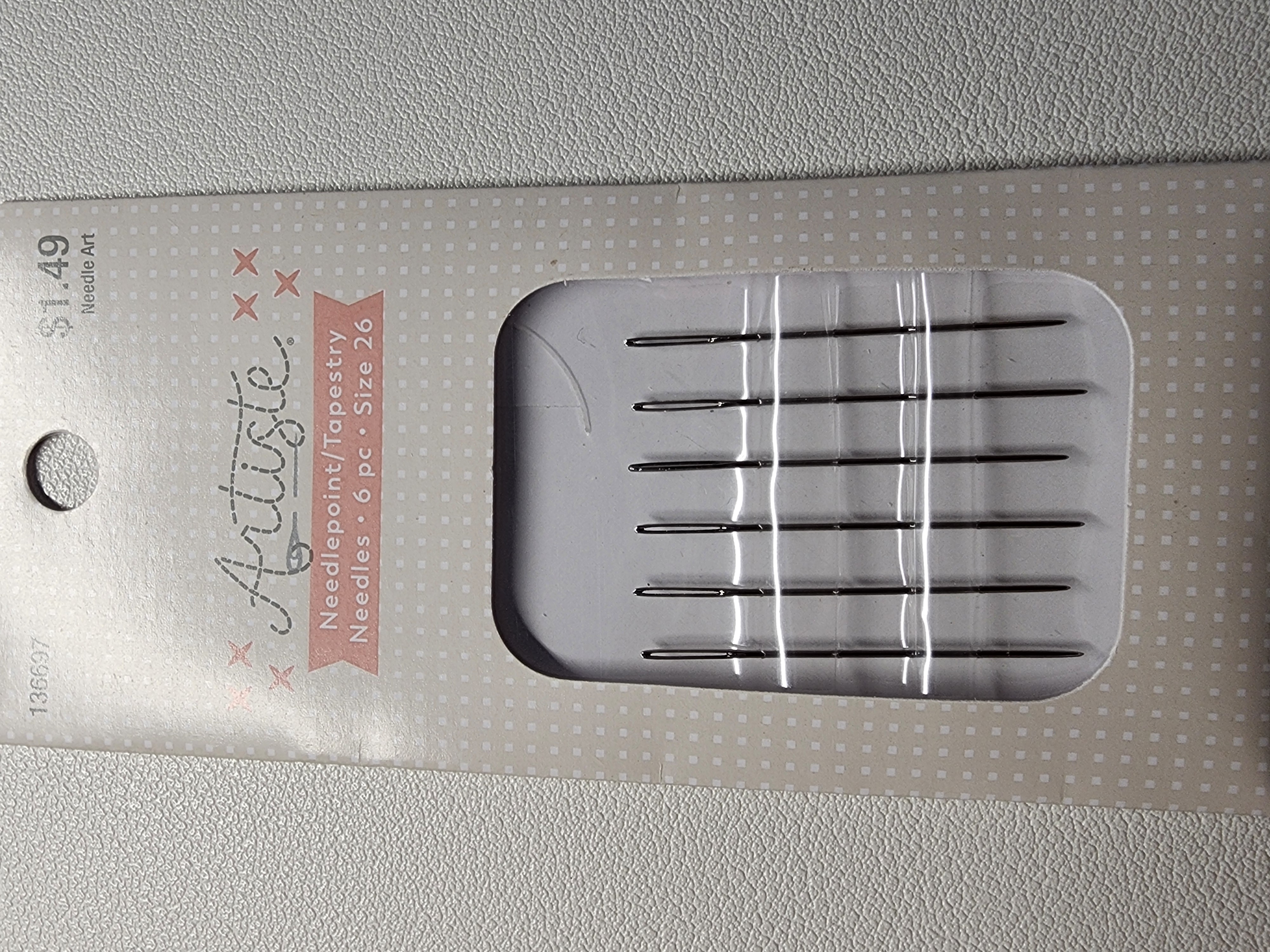
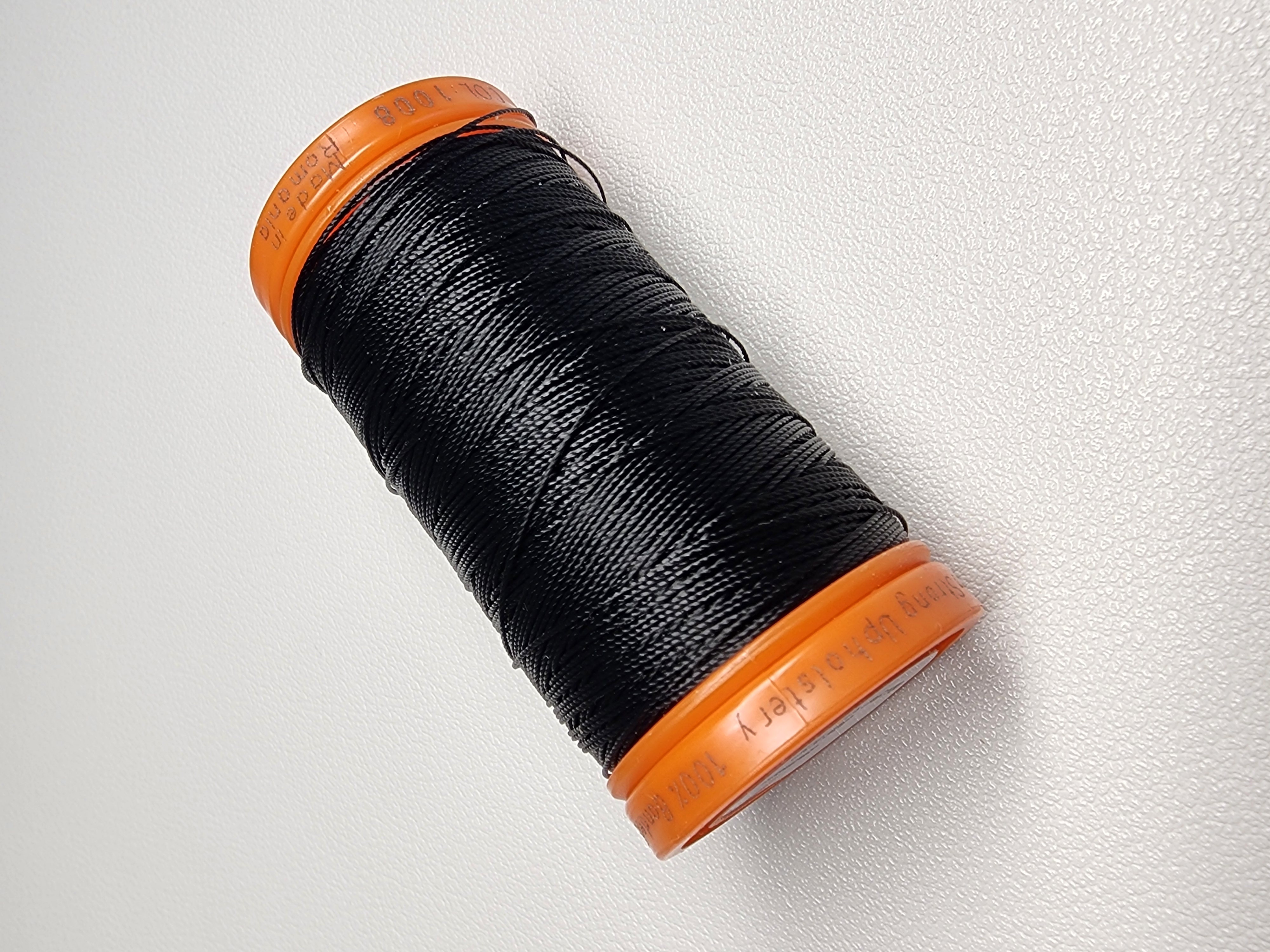
What most people call a hacky sack is actually a footbag. The mass-produced bags sold at big box stores use cheap materials and fall apart fast. If you want something that actually plays well, you want a freestyle footbag — stitched by a player using Ultrasuede and stainless steel fill. We sell footbags made by freestyle players, plus everything you need to make your own: pre-cut panel kits, fill, fabric, thread, and needles.